White Tuque, Offensive Security Specialist
Toronto · Oct 2024 to Present
Plan and run adversarial simulations and red team engagements across web, API, cloud, and network for 20+ enterprise clients, weighted toward banking and fintech, emulating real threat actors mapped to MITRE ATT&CK. Designed deception into a major insurance client's security architecture, and managed a team building an in-house tabletop platform. Turn findings into detection logic and playbook updates, not one-off reports.
ASEC, Penetration Tester
Toronto · May 2024 to Oct 2024
Application security assessments for fintech and financial services clients across Canada, the US, Australia, and Europe, under Nick Aleks, former Senior Director of Security at Wealthsimple and now Head of Security at Robinhood. 150+ vulnerabilities across web, REST and GraphQL APIs, and cloud infrastructure.
Ofogh Kourosh Chain Stores, Lead Security Architect
Tehran · 2023 to Feb 2024
Built the company's first detection and response capability and its incident response playbooks and CSIRP from the ground up, defining the response procedures the organization ran against. Set the security design and standards new systems shipped against as the chain scaled from roughly 200 to 1,000 stores, building defense-in-depth into the architecture.
Ofogh Kourosh Chain Stores, Security Engineer
Tehran · Sep 2021 to 2023
Ran centralized logging, monitoring, and vulnerability scanning across a growing multi-site estate, and wrote detection and automation tooling in Python and Bash. Built network segmentation, hardening baselines, and identity and access management at scale, and introduced security checks into the software delivery process.
Ofogh Kourosh Chain Stores, Security Analyst
Tehran · Jun 2020 to Sep 2021
As the primary security resource, served as incident commander on live incidents across corporate and store infrastructure, from detection and triage through containment and lessons learned. Investigated and responded to malware, phishing, and account compromise, with remediation tracked to closure.
DEF CON Toronto (DC416), Lead Organizer
Toronto · 2025 to Present
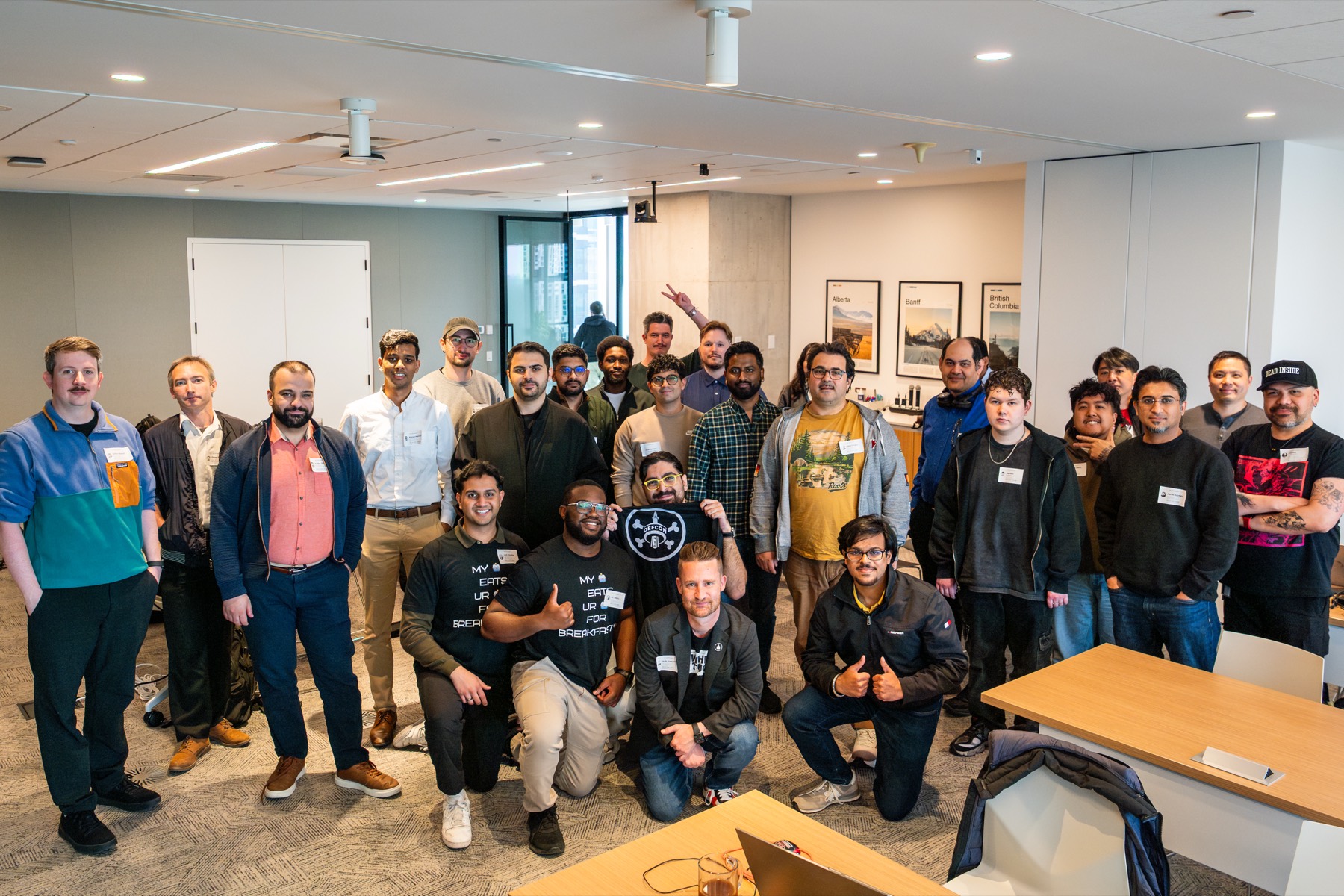
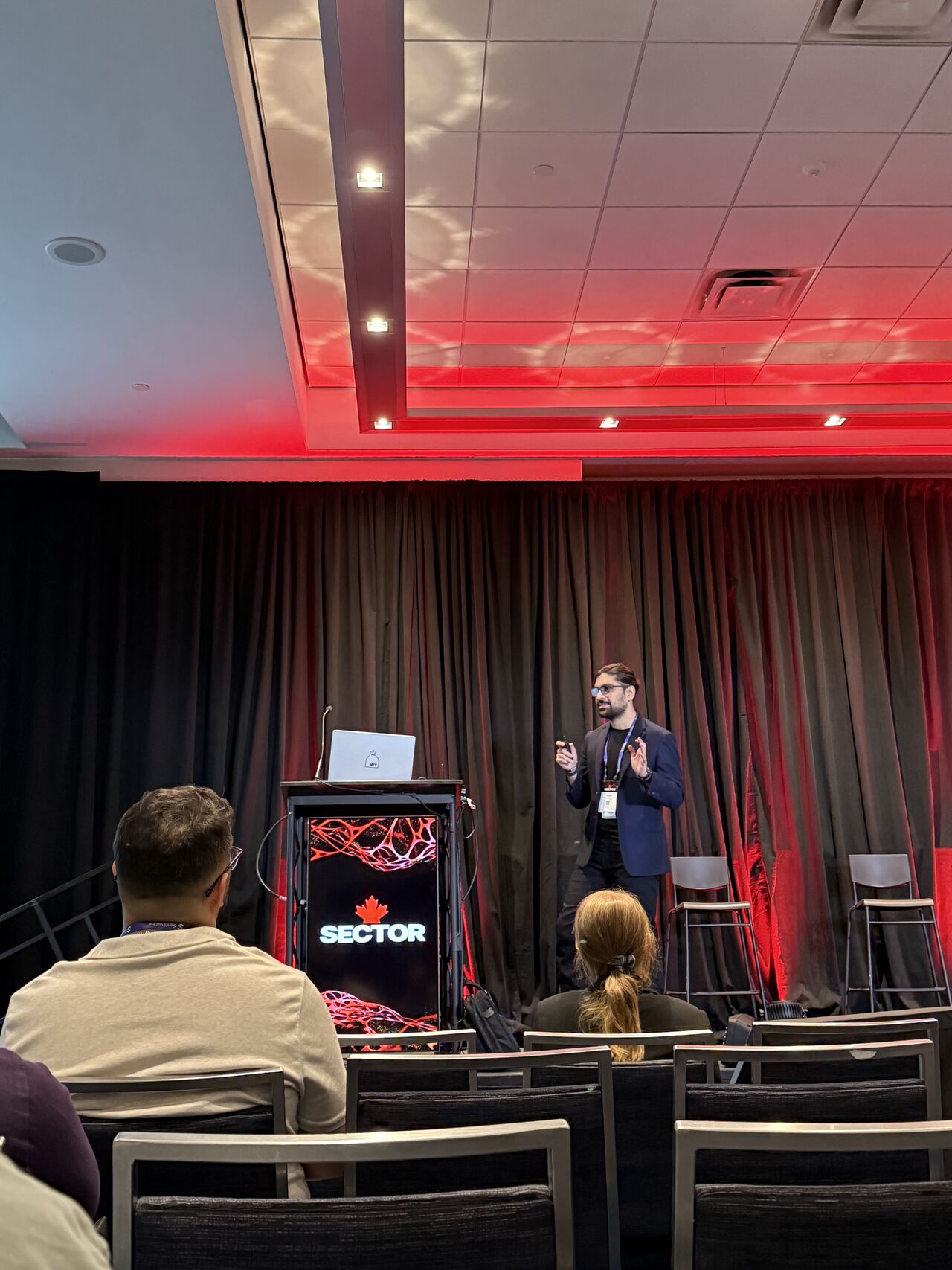
Lead Canada's largest hacker community: monthly meetups, speaker programming, sponsorships, and events including the AI Fight Club workshop hosted at Palo Alto Networks. Also on the organizing committee for TASK, Toronto's longest-running security community.
HackerOne, Security Researcher
Remote · Feb 2022 to Present
120+ validated vulnerabilities across Fortune 500 disclosure programs. Focus on authentication and authorization bypass, privilege escalation, and multi-step business logic chains across web and API surfaces.